
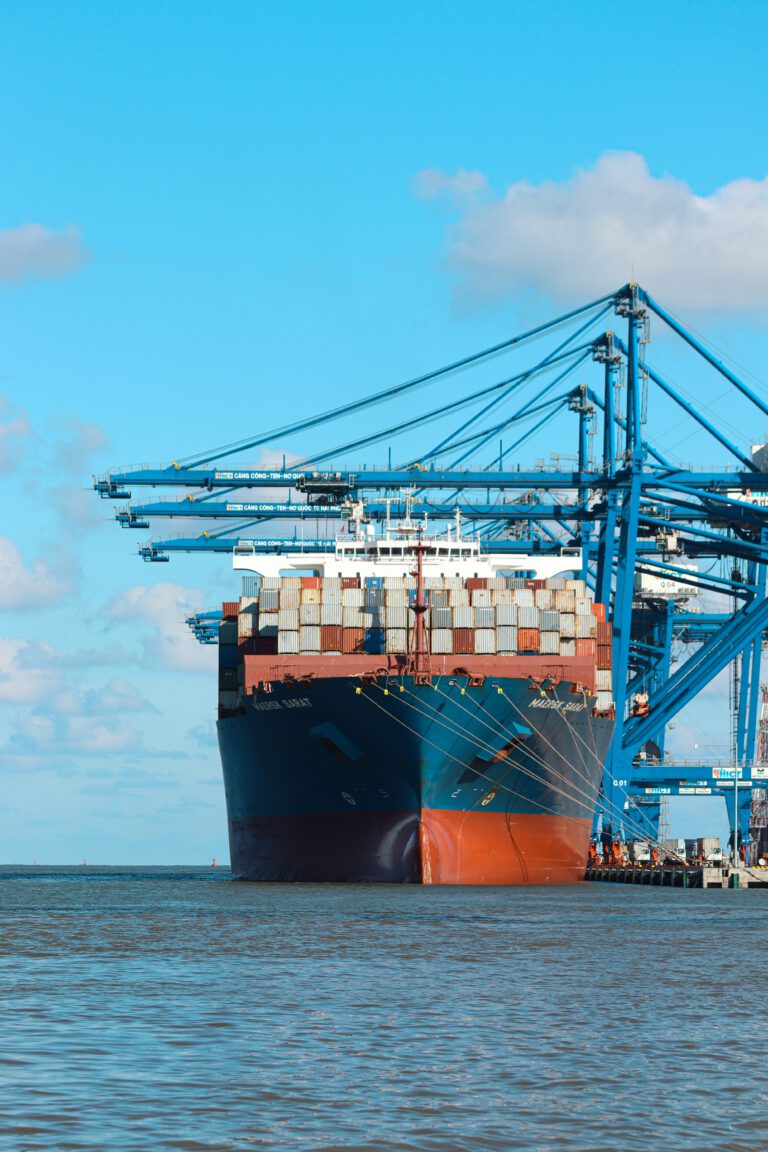
Sea carriage: how long do you have to act after cargo damage?
In cases of loss of or damage to goods, the time limit for bringing a claim against the carrier is particularly short.
Read the analysis
Arresting a ship for a former charterer’s debt: is it still possible?
After the charter has ended, a claim against the former charterer does not necessarily permit the arrest of the vessel once it has been returned to its owner.
Read the analysis
Ship arrest: must the claim already be proved?
Where the 1952 Brussels Convention applies, the Court of Cassation holds that the mere allegation of a maritime claim may justify the arrest of the vessel to which it…
Read the analysis
Theft of alcoholic beverages: since August 2026, excise duty may no longer be payable
Since 20 August 2026, the Goods and Services Tax Code has provided for a specific rule in the event of the permanent loss of alcoholic beverages following a…
Read the analysis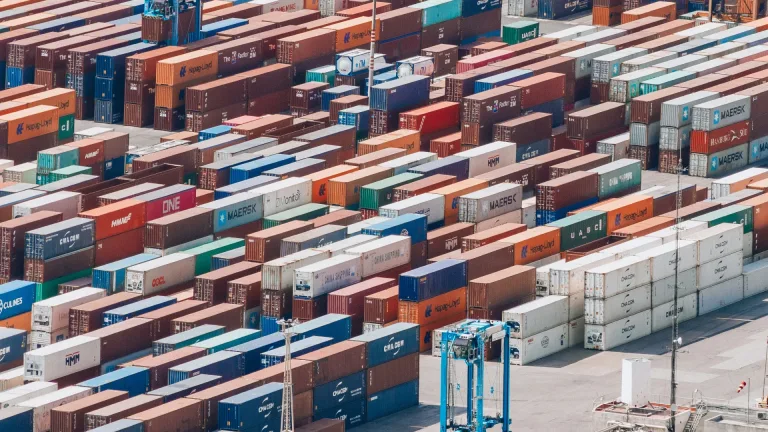
Customs audit: how can you exercise your right to be heard?
Proposed customs reassessment: check the response deadline, gather documents and prepare effective observations before a decision is made.
Read the analysis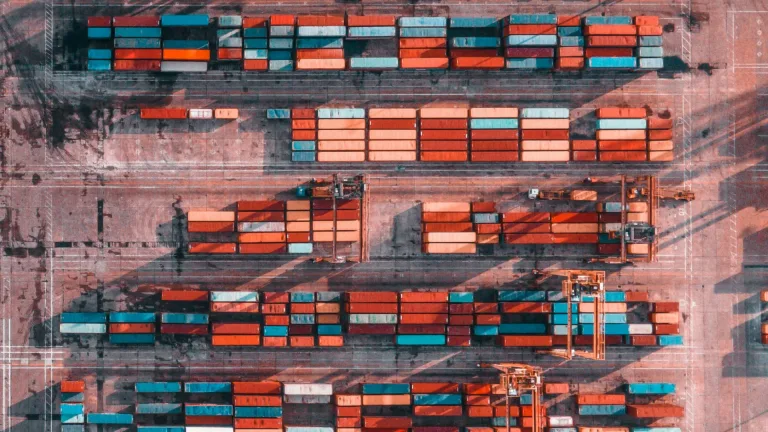
Freight forwarder’s right of retention: how far does it extend?
The freight forwarder’s right of retention and its conditions, in light of the judgment of 9 September 2026.
Read the analysis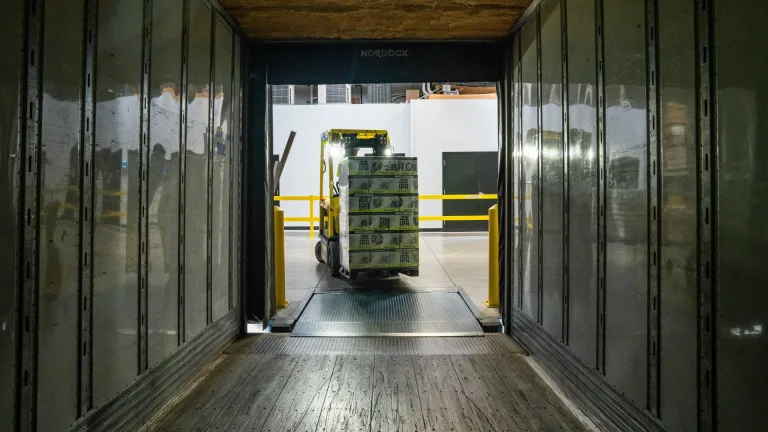
Carrier’s right of retention: may goods be withheld for an unpaid invoice?
Unpaid invoices, goods held and earlier debts: the conditions for a carrier’s right of retention.
Read the analysis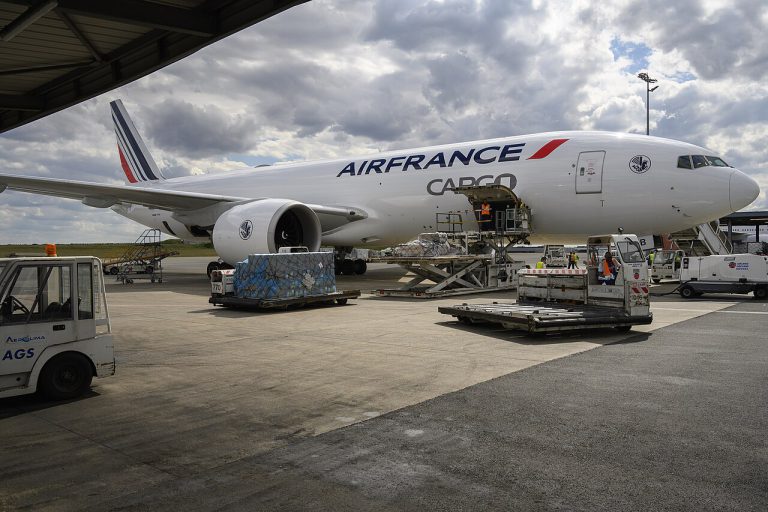
Goods damaged during air carriage: preserving your claim
Air cargo damage: written complaints, evidence and compensation under the Montreal Convention.
Read the analysis
Air waybill: what does an AWB prove in a dispute?
AWB, weight, packages and apparent condition: documents to cross-check when preparing an air freight claim.
Read the analysis
Unpaid commercial invoice: which documents should you gather before taking action?
Unpaid B2B invoices: gather the contract, order, performance records and correspondence to determine the appropriate action.
Read the analysis
Customs audit: how should you respond to a request for documents?
A business customs audit: organise declarations and supporting documents, identify the issues raised and prepare the response.
Read the analysis
Cargo damaged after carriage by sea: which documents should you gather?
Cargo damaged on arrival: documents to gather and issues to examine before making a sea-carriage claim.
Read the analysis
Customs debt: does the three-year time limit always apply?
The three-year time limit provided for in the Union Customs Code is subject to extensions and grounds for suspension, which must be verified before any adjustment is made.
Read the analysis
Temperature-controlled transport: evidence is gathered prior to the expert assessment
In the event of an alleged breach of the cold chain, technical data may take precedence over the parties’ assertions.
Read the analysis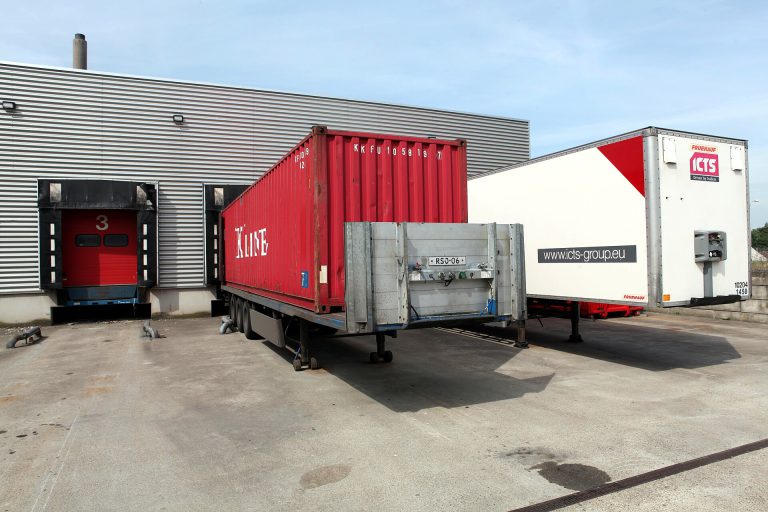
Damaged goods: what reservations should be made on delivery?
Three days under domestic law, seven days for certain non-apparent damage under the CMR: the initial classification of the carriage immediately determines the course of action to be taken.
Read the analysis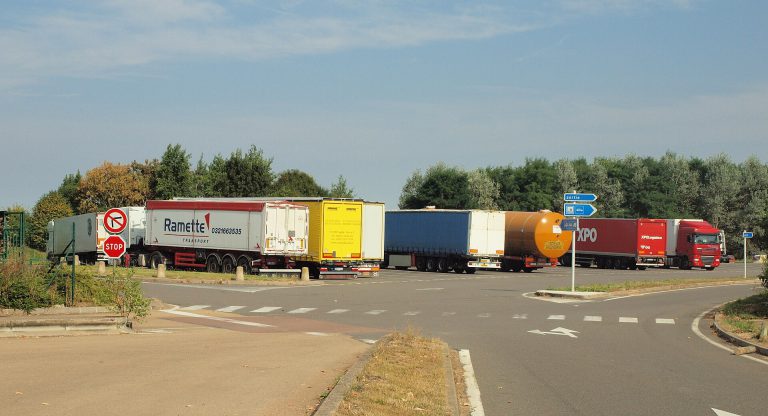
CMR: why does compensation not always match the value of the goods?
In international road transport, the commercial value of the cargo and the compensation payable by the carrier may differ significantly.
Read the analysis
Freight forwarders: who is liable for damage caused by a subcontracted carrier?
The freight forwarder is not merely a conveyor of orders: they organise the carriage in their own name and are liable, under their own legal regime, for the parties they select.
Read the analysis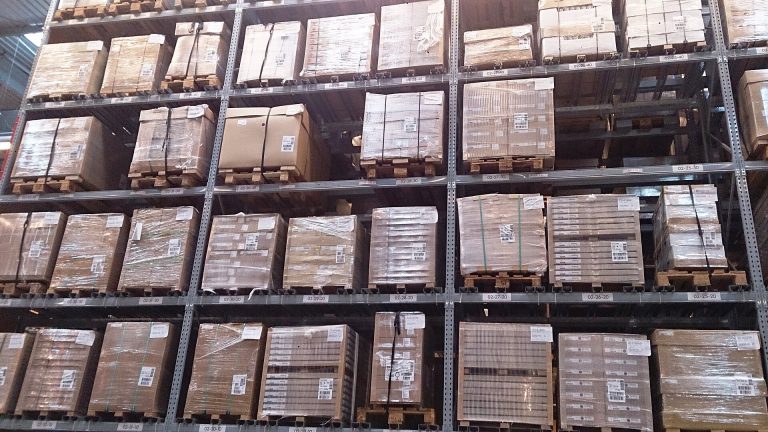
Theft of goods: is gross negligence sufficient to constitute inexcusable fault?
In a judgement of 22 October 2025, the Court of Cassation reiterated that inexcusable fault cannot be inferred solely from a finding of negligence, however serious.
Read the analysis