
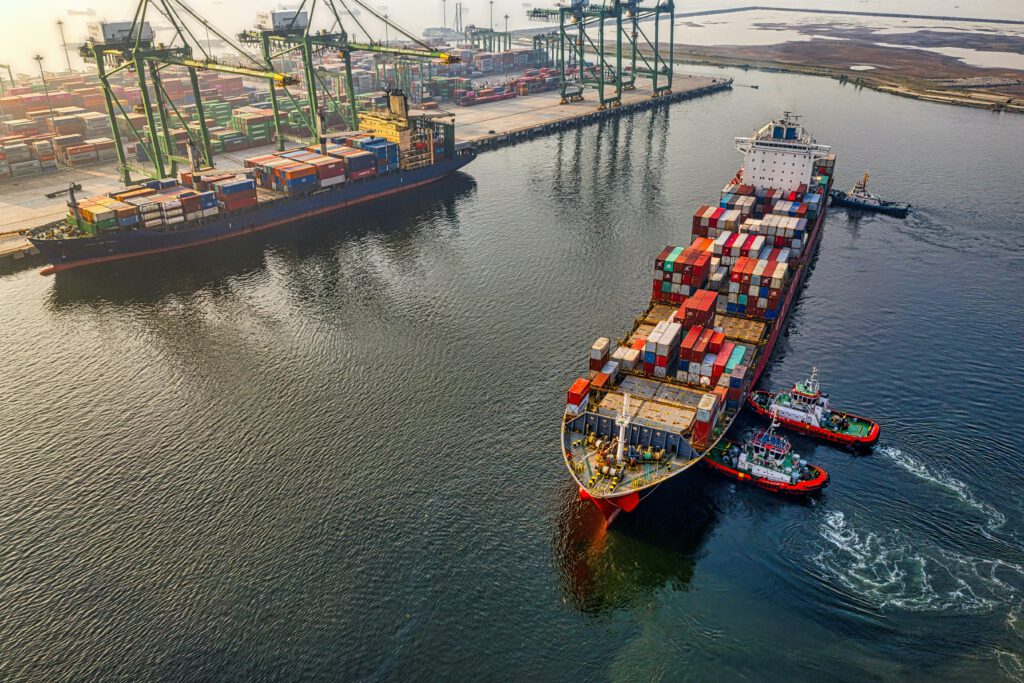
A cargo arrives damaged. Before examining liability, establish its condition at departure and arrival, when the damage was recorded and how delivery took place.
Preserving evidence of the damage
- The bill of lading or transport document, delivery records and reservations.
- Dated photographs, inspection records, survey reports and invoices.
- Correspondence with the carrier, freight forwarder, consignee and insurer.
Add evidence about packaging, handling and storage where it helps explain the damage. Compare documents produced during the operation, rather than relying solely on a subsequent account.
Identifying the legal regime and the parties involved
Under French law,Article L. 5422-12 of the French Transport Code governs the carrier’s liability for loss and damage, together with the statutory grounds for exemption. The applicable regime must be determined by reference to the operation, contracts and relevant international conventions.
Distinguish the sea carrier from the other parties involved. The role of a freight forwarder requires separate analysis. If road carriage is also involved, the rules on reservations at delivery must be assessed under their respective legal regimes.
Presenting the matter to the firm
Specify the route, dates, nature of the damage and known parties involved. Flag any deadline received. The firm can organise the evidence and assess claims, negotiation or appropriate court proceedings.
Has cargo been damaged during carriage by sea, whether you are acting as shipper, consignee or carrier? Contact the firm.